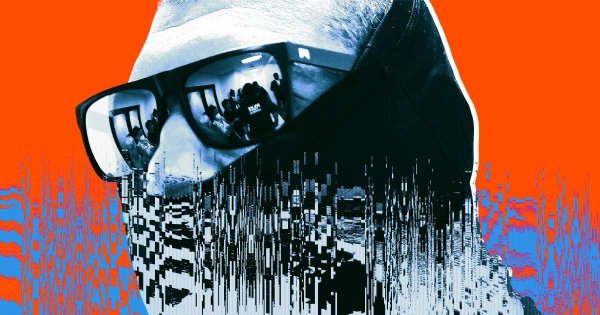
A Netherlands-based immigration activist, Dominick Skinner, has turned the tables on federal authorities by using artificial intelligence and facial recognition software to identify masked U.S. Immigration and Customs Enforcement (ICE) agents. In an interview with Politico, Skinner said his team of volunteers has so far identified at least 20 ICE agents seen in viral videos of arrests conducted in public places, including streets, homes, and workplaces.
The videos, which have circulated widely, show armed federal agents with their faces covered while detaining individuals—including students, children, and American citizens—in broad daylight. The imagery has sparked outrage, with critics viewing the masks as a symbol of ICE's sweeping powers and a lack of accountability during its aggressive deportation push.
ICE officials, however, defend the practice, arguing that masks protect agents from harassment and assaults. Tanya Roman, an ICE spokesperson, told Politico that "misinformed activists and others like them are the very reason the brave men and women of ICE choose to wear masks in the first place, and why they, and their families, are increasingly being targeted and assaulted."
Skinner's operation involves using AI to predict the hidden portions of an agent's face, then running the reconstructed image through PimEyes, a commercial facial recognition tool that has faced controversy over its training methods and potential for misuse. Skinner claims his team can reveal a face if at least 35 percent of it is visible. He told Politico that he does not believe in "public justice," but does believe in "public shaming and public accountability."
Privacy experts consulted by Politico expressed skepticism about the accuracy of facial recognition on artificially generated images, noting that law enforcement's use of such technology has been linked to wrongful arrests. The broader implications are troubling, as Skinner's methods could be used against other groups, such as masked protestors fearing retaliation in an increasingly hostile political climate.
Surveillance in Reverse
The development comes as ICE itself expands its use of AI and surveillance, reportedly building what experts have called a "deportation machine" using private data of Americans. Skinner's actions invert the usual power dynamic, using the same technology to hold authorities accountable, but also raising ethical questions about the reach of facial recognition in a digital age where anonymity is increasingly difficult.
While the full accuracy of Skinner's identifications remains unverified, his work underscores the ease with which AI can be used to strip away the anonymity that masks provide. As one expert noted, the technology makes it nearly impossible to remain truly anonymous, whether one is a federal agent or a private citizen.







Comments
Sign in to leave a comment
No account? Create one
No comments yet.