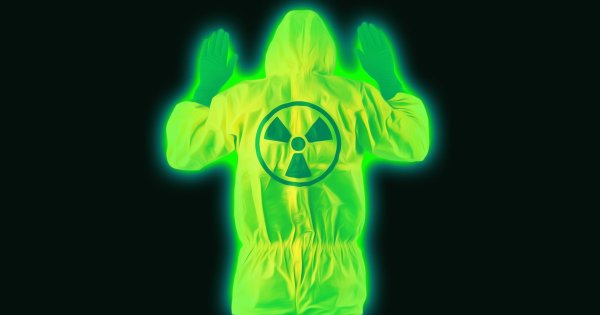
COVERT, Mich. — A contractor at the Palisades Power Plant on Lake Michigan took an unexpected dip into a reactor pool early Tuesday morning, swallowing some of the water before being pulled out and decontaminated. The incident, which occurred as workers were loading new fuel rods, has intensified scrutiny over the plant's planned resurrection as the first commercial reactor to restart after decommissioning.
The unnamed contractor was performing work inside the containment building when he fell an unknown distance into the pool, which contained clean, borated water, according to a plant spokesperson quoted by MLive. After being hauled out, he was rushed through a full decontamination procedure and taken to a medical facility with minor injuries. The federal incident report noted that the worker had 300 counts per minute of contamination detected in their hair, a measure used to screen for radioactive exposure.
For context, 300 counts per minute above background is the threshold set by the Federal Emergency Management Agency for triaging emergency personnel during a nuclear crisis. Despite this, plant officials told MLive that the employee had already returned to work by Wednesday, a rapid turnaround that anti-nuclear activists say reflects a dangerous rush to restart the facility.
Restart Under Scrutiny
Palisades, a single-combustion pressurized water reactor located directly on the Lake Michigan shoreline, is among several decommissioned plants being revived under the Nuclear Regulatory Commission (NRC), which has been reshaped by the Trump administration. The day before the accident, the plant received a shipment of uranium fuel from an undisclosed source, and staff were in the midst of a multi-day process to load the new fuel rods into the reactor core when the fall occurred.
If brought back online, Palisades would mark a historic first: the first commercial reactor to restart after being decommissioned. But critics argue that the push for speed is compromising safety. Arnie Gundersen, a nuclear engineer and consultant for the anti-nuclear group Don't Waste Michigan, urged the NRC to halt the plant's revival, warning of potential radioactive risk to the state.
The incident comes amid a broader federal effort to streamline nuclear oversight, a move that some experts say could lead to more such mishaps. While the worker's injuries were minor and the water was clean, the event underscores the inherent hazards of nuclear operations and the tensions between rapid energy goals and rigorous safety protocols.
As Palisades moves toward restart, the NRC and plant operators face mounting pressure to demonstrate that safety remains paramount, even as the nation looks to nuclear power to meet rising energy demands. For now, the contractor's quick return to duty offers a glimpse of the industry's confidence — or, as activists see it, its complacency.








Comments
Sign in to leave a comment
No account? Create one
No comments yet.