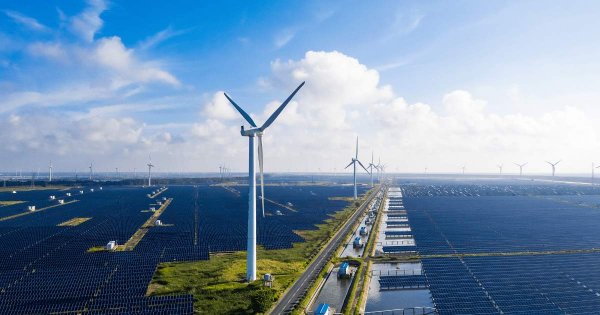
The U.S. Bureau of Labor Statistics has released updated employment projections that place wind turbine technicians and solar photovoltaic installers among the three fastest-growing occupations in the country over the next decade. The data, last refreshed in late 2021, shows wind turbine technician roles leading the list, with solar installer positions ranking third.
According to the federal agency, wind turbine technician jobs are expected to grow by 4.7% between 2020 and 2030, while solar photovoltaic installer positions are projected to expand by 6.1% during the same period. Both occupations reported average annual salaries below $50,000 in 2020, though the agency did not specify whether wage growth is anticipated by the end of the decade.
The release comes at a time when U.S. gasoline prices have reached record highs, and the Biden administration has been promoting clean energy initiatives as part of a broader strategy to reduce reliance on fossil fuels. The push for renewable energy has also been underscored by ongoing conflicts in Yemen and Ukraine, which have highlighted the geopolitical risks associated with energy dependence.
Industry developments support the optimistic outlook for wind and solar employment. States across the country are investing in new solar farms, and Shell, a major U.S.-based energy company, has announced plans to construct large-scale offshore wind farms. In regions like Appalachia, historically tied to coal production, abandoned mine lands are being repurposed for clean energy projects, creating new job opportunities in areas that have experienced economic transitions.
Why the Growth Is Happening Now
The surge in wind and solar jobs reflects a combination of policy support, technological advancements, and shifting market dynamics. Federal and state incentives, along with declining costs for renewable technologies, have made clean energy projects more viable. The labor statistics underscore a broader trend toward decarbonization, even as the pace of change varies across sectors.
While the Bureau of Labor Statistics did not highlight other renewable energy occupations in its top ten list, the inclusion of wind and solar roles signals a meaningful shift in the U.S. job market. For workers in traditional energy sectors, the transition may require retraining or relocation, but the overall employment outlook for clean energy remains positive.
As the nation grapples with energy security and climate concerns, the projected job growth in wind and solar offers a tangible measure of the transition underway. The data, though compiled before the recent spike in fuel prices, provides a baseline for understanding how the labor market is adapting to a changing energy landscape.









Comments
Sign in to leave a comment
No account? Create one
No comments yet.