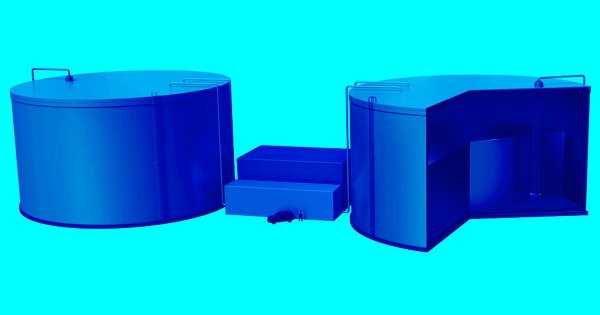
A new energy storage concept, described as a "sun in a box," could help bridge the gap between renewable energy generation and demand, according to engineers at MIT and the Georgia Institute of Technology. The system, which uses an insulated graphite silo filled with white-hot molten silicon, is designed to store excess electricity as heat and release it when needed, potentially powering a community of 100,000 homes.
The research, published in the journal Energy & Environmental Science last month, outlines a device called the Thermal Energy Grid Storage-Multi-Junction Photovoltaics (TEGS-MPV). The concept functions like a large rechargeable battery: during periods of high renewable output, surplus electricity heats the silicon to a glowing white-hot state. When demand rises or renewable generation drops—such as during the evening when solar panels are idle—photovoltaic cells within the silo capture the light emitted by the molten silicon and convert it back into usable electricity.
The engineers behind the project believe that the system could be deployed on energy grids in various locations around the world, according to an MIT press release. Their preliminary tests suggest that a single TEGS-MPV storage tank could store enough energy to allow a community of 100,000 homes to rely exclusively on renewable sources without interruptions, even when the sun sets or the wind ceases.
The challenge of energy storage is a well-known bottleneck in the shift away from fossil fuels. Traditional power plants can adjust output in real time, but wind and solar generation are intermittent, and excess energy often goes to waste. This new approach aims to capture that surplus and make it available on demand, offering a potential solution for grid reliability.
Why Storage Matters for Renewables
As the world increases its reliance on renewable energy, the ability to store power becomes critical. Without effective storage, grid operators must either overbuild capacity or rely on backup fossil fuel plants. The TEGS-MPV system, if scaled successfully, could provide a large-scale, long-duration storage option that aligns with the growth of wind and solar installations.
The research is still in its early stages, and the team acknowledges that unforeseen challenges may arise when moving from laboratory tests to real-world deployment. However, the concept represents a significant step toward addressing one of the most pressing technical hurdles in the clean energy transition.
For now, the "sun in a box" remains a promising prototype, but its potential to stabilize renewable grids and reduce reliance on fossil fuel backups makes it a noteworthy development in energy research.









Comments
Sign in to leave a comment
No account? Create one
No comments yet.