BERLIN — United Nations Secretary General António Guterres delivered a stark ultimatum to ministers from 40 nations on Monday: take immediate collective action on climate change, or face what he called "collective suicide." The warning came during a video address to the Petersburg Climate Dialogues, a two-day conference in Berlin focused on extreme weather, fossil fuel dependency, and the escalating human cost of a warming planet.
Guterres framed the choice in blunt terms. "We have a choice," he said. "Collective action or collective suicide. It is in our hands." His remarks, reported by The Guardian, underscore the mounting pressure on governments to move beyond rhetoric and implement concrete measures before the next UN climate summit, COP27, scheduled for November in Egypt.
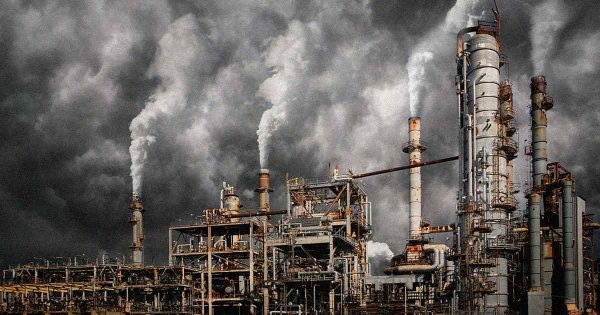
The urgency is rooted in a summer of climate extremes. Heatwaves, partly attributed to human-induced climate change, have fueled wildfires and worsened drought conditions in several regions, while intense storms have raised the threat of destructive flooding elsewhere. Guterres noted that no country is immune, yet humanity continues to "feed our fossil fuel addiction."
Half of humanity, he said, is already in the danger zone, exposed to floods, droughts, extreme storms, and wildfires. The statement aligns with recent scientific assessments that link rising global temperatures to more frequent and severe weather events.
Disproportionate Burden on Developing Nations
While the risks are universal, Guterres emphasized that the poorest nations—those least responsible for historical emissions—face the gravest immediate threats. "People in Africa, South Asia and Central and South America are 15 times more likely to die from extreme weather events," he said, calling this disparity "a great injustice" that cannot persist.
The Berlin meeting serves as a critical preparatory forum ahead of COP27, where negotiators will attempt to finalize agreements on emissions reductions, climate finance, and adaptation support. Guterres's message reflects growing frustration among climate advocates and vulnerable countries that wealthy nations have not delivered on previous pledges, including the $100 billion annual commitment to help developing countries transition to clean energy and adapt to climate impacts.
The Petersburg Climate Dialogues, initiated in 2010, have historically provided a platform for informal discussions among climate ministers. This year's agenda includes addressing the intertwined challenges of food prices, energy costs, and the accelerating consequences of climate change—issues that are increasingly affecting global stability.
Guterres's warning echoes a broader scientific consensus that the window for preventing the worst effects of climate change is closing rapidly. The Intergovernmental Panel on Climate Change has stated that limiting global warming to 1.5 degrees Celsius above pre-industrial levels requires immediate and deep cuts in greenhouse gas emissions.
Whether the UN chief's words will translate into action remains uncertain. The responsibility, as he noted, lies with individual countries, particularly the largest emitters, to implement policies that reduce reliance on fossil fuels and invest in resilience. With COP27 on the horizon, the Berlin talks are seen as a last opportunity to build momentum before formal negotiations begin.







Comments
Sign in to leave a comment
No account? Create one
No comments yet.